


Investing in your skin is one of the most rewarding decisions you can make for your confidence and long-term well-being. If you are researching professional skin rejuvenation treatments in UK, you probably want to understand exactly what these procedures entail before booking your first appointment. Modern aesthetic medicine offers highly effective, non-surgical options to restore youthful elasticity, smooth out fine lines, and address uneven skin texture. Among the most sought-after options is plasma pen therapy, widely known as fibroblast. Knowing what to expect before, during, and after these sessions helps you prepare mentally and physically, ensuring you achieve the best possible results from your chosen clinical pathway.
Understanding the Options: Skin Rejuvenation vs. Fibroblast
To make an informed decision, you must first understand how these two popular categories of aesthetic care differ. Skin rejuvenation is an umbrella term covering several non-invasive therapies designed to improve skin tone, clarity, and firmness. These can include chemical peels, microneedling, laser resurfacing, and intense pulsed light (IPL) therapies. Each method works by triggering the body’s natural healing response, stimulating collagen and elastin production over several weeks.
On the other hand, a fibroblast plasma treatment in Southampton offers a more targeted, micro-surgical approach to skin tightening. Also known as plasma skin resurfacing, this procedure uses a specialised device to deliver a tiny arc of plasma energy to the skin’s surface. This electrical arc creates micro-millimetre-sized superficial burns, or “dots,” on the epidermis without directly touching the skin. The intense heat instantly contracts the skin tissue and stimulates deep dermal fibroblasts—the cells responsible for producing collagen. While general rejuvenation treatments are excellent for overall skin brightness and minor texture issues, fibroblast is particularly effective for tightening loose skin around the eyelids, neck, jowls, and upper lip. Both approaches offer remarkable alternatives to invasive surgery, but they require different preparation and recovery protocols to ensure safety and success.
The Preparation Phase: Getting Ready for Your Procedure
The journey to radiant skin begins weeks before you step into the clinic. Proper preparation minimises the risk of hyperpigmentation and accelerates the subsequent healing process. First and foremost, you must strictly avoid sun exposure and tanning beds for at least four weeks prior to your session. Sunburned or heavily tanned skin is highly susceptible to damage, which can lead to scarring or permanent discolouration after thermal therapies.
Additionally, suspend the use of active skincare ingredients, such as retinoids, glycolic acid, and salicylic acid, for at least five to seven days before your appointment. These powerful compounds thin the stratum corneum and increase skin sensitivity, making treatments unnecessarily painful or unpredictable. If you are prone to cold sores and are planning a procedure around the mouth or eyes, consult your practitioner about taking antiviral medication beforehand, as the heat can trigger an outbreak. Finally, stay exceptionally hydrated and eat a nutrient-rich diet in the days leading up to your appointment. Well-hydrated skin responds more predictably to energy-based treatments and possesses the cellular energy required to rebuild collagen efficiently. Arrive at the clinic with a completely clean face, free of makeup, moisturisers, or sunscreens.
During the Session: What Actually Happens
Understanding the step-by-step process of your appointment helps alleviate any pre-treatment anxiety. When you arrive, your practitioner will thoroughly cleanse your skin to remove surface oils and impurities. For most skin rejuvenation treatments in Southampton, a topical anaesthetic cream is applied to the target areas. This numbing agent needs to sit on the skin for thirty to forty-five minutes to ensure your comfort throughout the procedure.
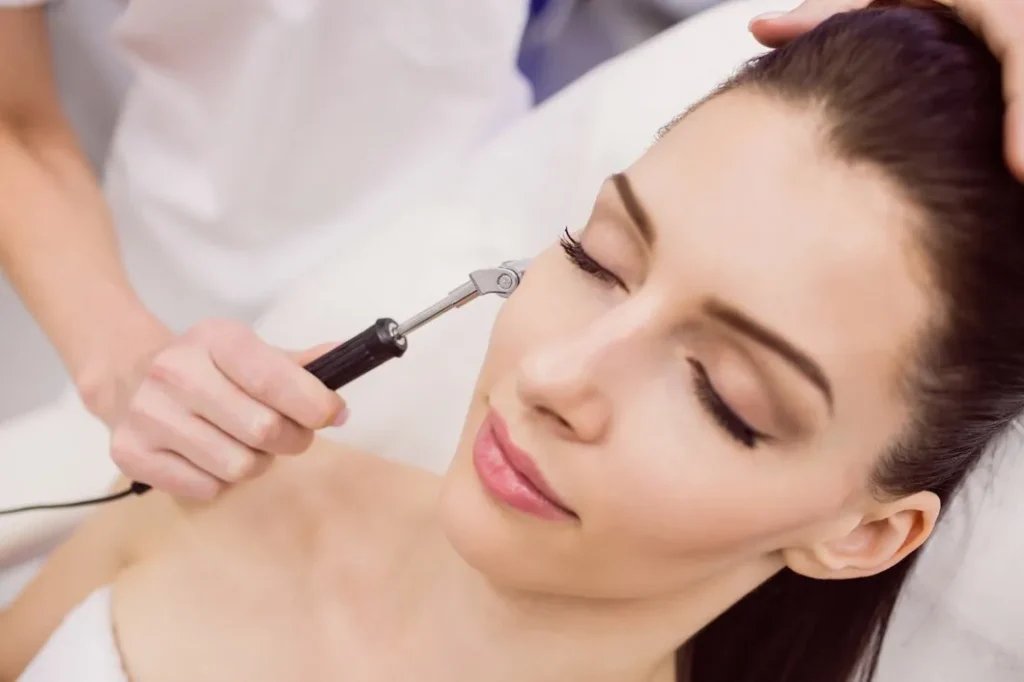
Once the area is completely numb, the treatment begins. If you are undergoing a standard laser or IPL session, you will wear protective eyewear, and the practitioner will glide a handpiece over your skin. You might feel a warm, snapping sensation, similar to a rubber band flicking against the skin. For a fibroblast session, the practitioner uses a hand-held plasma pen to systematically apply the plasma arcs. You will feel tiny zaps of heat and may notice a slight smoky aroma, which is completely normal as the superficial skin cells vaporise. The practitioner works methodically, creating a grid of tiny carbon crusts over the loose skin. A typical session lasts between thirty and ninety minutes, depending on the size of the treatment area. Immediately afterward, the skin will feel hot, tight, and sunburned, and the practitioner will apply a soothing, protective balm.
The Recovery Journey: Immediate Aftercare and Healing
Aftercare is the most critical phase of your treatment, directly influencing fifty percent of your final result. If you have undergone a fibroblast plasma treatment, you will notice tiny, dark carbon crusts forming where the plasma pen made contact. It is absolutely vital that you do not pick, scratch, or scrub these crusts. They act as a natural, sterile barrier protecting the delicate new skin underneath, and forcing them off prematurely will cause scarring or uneven pigmentation. They usually flake off naturally within five to ten days.
For both general skin rejuvenation and plasma treatments, swelling and redness are entirely normal during the first seventy-two hours. Apply cold compresses wrapped in clean cloth to manage swelling, especially around the delicate eye area. Keep the treated skin clean by washing gently with cool water and a mild, fragrance-free cleanser recommended by your practitioner. Avoid hot showers, steam rooms, heavy exercise, and makeup until the skin barrier has fully closed. Apply a broad-spectrum SPF 50 sunscreen daily, even when staying indoors, as your fresh skin is highly vulnerable to ultraviolet damage. Moisturise frequently with approved, bland ointments to support the healing barrier and prevent cracking.
Long-Term Results and Maintenance
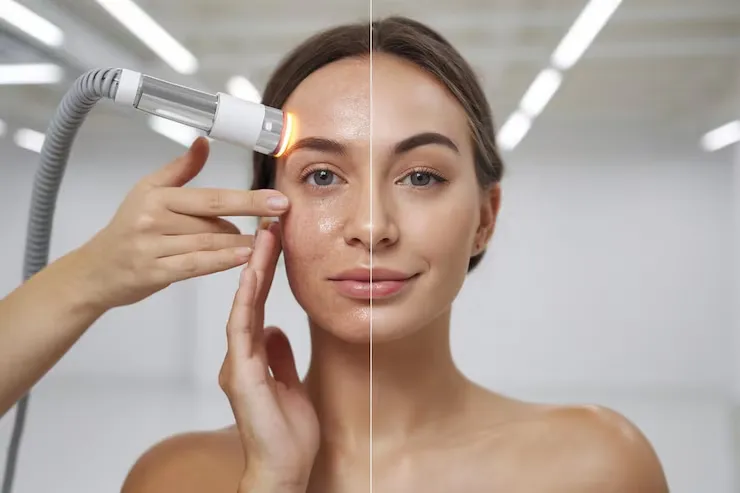
Patience is essential when evaluating the outcome of your aesthetic procedures. While some initial tightening and brightening are visible once the initial redness subsides, the true transformation takes time. Collagen synthesis is a gradual biological process that peaks between eight to twelve weeks post-treatment. During this period, you will observe progressive improvements in skin firmness, reduced wrinkle depth, and a more even skin tone.
The longevity of your results depends heavily on your lifestyle and ongoing skincare routine. The benefits of high-quality skin rejuvenation treatments in Southampton can last for several months to a year, while the tightening effects of a fibroblast plasma treatment in Southampton can persist for up to three years. To maintain these results, commit to a daily regime featuring antioxidants like vitamin C, hydrating hyaluronic acid, and nightly retinoids once your skin has fully recovered. Wearing high-factor sunscreen daily remains your best defence against premature ageing. Many clients opt for annual maintenance sessions to counteract the natural ageing process. By partnering with an experienced practitioner and adhering to a strict aftercare routine, you can enjoy a refreshed, youthful appearance that looks entirely natural and revitalised.
Conclusion
Undergoing advanced aesthetic procedures is an excellent way to restore your skin’s natural vitality and firmness without resorting to invasive surgery. Whether you choose a gentle laser therapy or a targeted plasma pen session, understanding the entire process ensures a stress-free experience and optimal healing. By preparing your skin adequately, knowing what to expect during the clinical session, and committing to a meticulous aftercare routine, you protect your investment and secure beautiful, long-lasting results. Consult with a qualified practitioner to design a bespoke treatment plan tailored to your unique skin type and aesthetic goals, allowing you to step forward with renewed confidence and radiant, healthy skin.

