


Many people consider cosmetic surgery to refine their appearance, but different procedures address entirely separate aesthetic goals. For those looking to sculpt their body, choosing vaser liposuction in Bristol offers an advanced, minimally invasive solution to target stubborn fat pockets that resist diet and exercise. On the other hand, individuals wishing to balance their facial features often look toward nasal reshaping to achieve harmony. Both options have risen in popularity as modern techniques offer more precise results and shorter recovery times. Understanding how these distinct procedures work, what they achieve, and how their recovery processes differ helps you make an informed decision about your personal cosmetic journey.
Understanding Vaser Liposuction and Body Contouring
Body contouring has undergone a significant shift with the introduction of ultrasound technology. Traditional liposuction relies on manual force to disrupt fat cells, which can lead to longer recovery times and more bruising. In contrast, vaser liposuction in Bristol uses precise ultrasound energy to liquefy fat cells before gentle removal. This selective process leaves surrounding tissues, such as blood vessels and nerves, largely undisturbed.
How the Technology Works
During the procedure, a surgeon transmits ultrasound waves through small probes inserted under the skin. These waves specifically vibrate and break down fat cells, making them easier to suction out. Because the process is so gentle, surgeons can target delicate areas like the chin, neck, and arms, as well as larger zones like the abdomen, flanks, and thighs.
The Benefits of Ultrasound Precision
The main advantage of this technique is its ability to define muscles and tighten the overlying skin. The heat generated by the ultrasound energy stimulates collagen production, which helps the skin contract smoothly over the newly contoured areas. This reduces the risk of sagging skin, which is a common concern with traditional fat removal methods. Patients typically experience minimal downtime, returning to light activities within a few days.
The Art and Science of Rhinoplasty
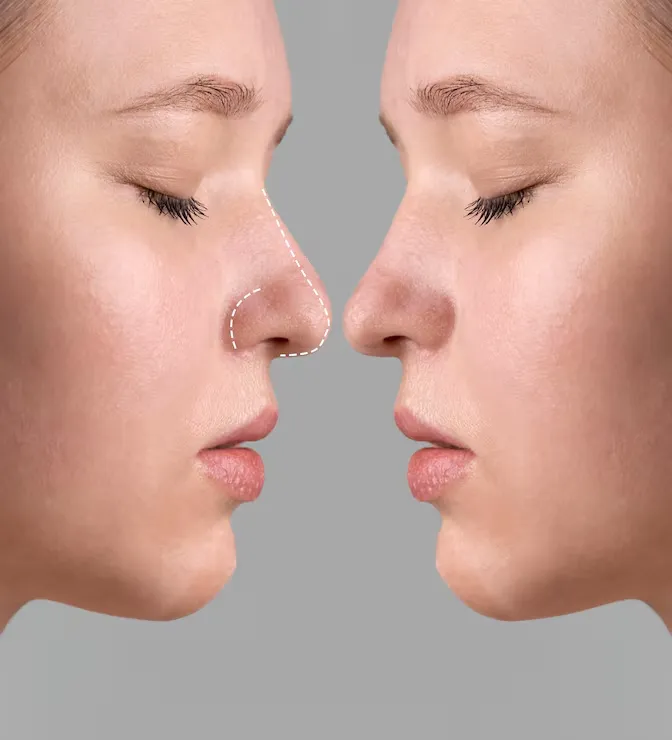
While body contouring focuses on shape and volume reduction, facial procedures aim to restore proportion and balance. A prominent or asymmetrical nose can draw attention away from other facial features, which is why many individuals seek rhinoplasty in Bristol to refine their profile. This surgical procedure alters the structure of the nose by modifying the bone, cartilage, or skin.
Aesthetic and Functional Improvements
A nasal reshaping procedure does not just address cosmetic concerns like bumps on the bridge, a drooping tip, or wide nostrils. It also corrects functional issues, such as a deviated septum that restricts breathing. By addressing both form and function, surgeons help patients breathe more easily while enhancing their overall facial symmetry.
Open versus Closed Techniques
Surgeons perform this operation using either an open or closed technique. The closed approach involves incisions hidden entirely inside the nostrils, leaving no visible scars. The open approach requires a small incision across the columella, the narrow strip of tissue separating the nostrils. This gives the surgeon direct access to the underlying nasal framework, which is ideal for complex structural changes. The choice of technique depends on your specific anatomy and the extent of the changes required.
Key Differences in Recovery and Expectations
The recovery pathways for body contouring and facial surgery differ significantly in terms of physical demands and timelines. Patients choosing vaser liposuction in Bristol must wear a specialised compression garment for several weeks. This garment reduces swelling, supports the healing tissues, and helps the skin conform to the new body contours.
Managing Post-Operative Care
While body contouring recovery involves managing mild soreness and wearing tight garments, facial surgery recovery focuses on protecting a delicate structural framework. After nasal surgery, you must wear a protective splint on your nose for about a week to keep the bones in their correct position. Swelling and bruising around the eyes are common, but these side effects typically fade within ten days.
Timeline for Final Results
The timeline for seeing your final results also varies between the two procedures. The initial outcome of fat removal is visible once the swelling subsides, usually within three to six months. However, the final shape after nasal reshaping can take up to a full year to emerge. This is because the skin and soft tissues over the nasal bridge and tip take a long time to settle completely over the modified cartilage framework.
Choosing the Right Procedure for Your Goals
Deciding between a body contouring treatment and a facial procedure depends entirely on your personal priorities and aesthetic concerns. If you feel self-conscious about stubborn fat deposits that persist despite a healthy lifestyle, body sculpting is the logical choice. Conversely, if you want to address facial proportions, booking a consultation for rhinoplasty in Bristol is the most effective path forward.
The Importance of a Detailed Consultation
A thorough consultation with an experienced surgeon is essential for both procedures. During this meeting, the surgeon assesses your physical health, discusses your goals, and explains what is realistically achievable. They will use advanced imaging software to show potential outcomes, helping you visualise the changes before committing to surgery.
Combining Treatments Safely
Some patients wonder if they can undergo multiple procedures at the same time. While it is sometimes possible to combine surgeries to minimise total recovery time, safety remains the top priority. Your surgeon will evaluate whether combining a body contouring procedure with facial reshaping is appropriate for your health profile. In many cases, performing these surgeries separately is the safer and more effective approach to ensure optimal healing.
Finding the Right Specialist in the South West
Selecting a qualified and experienced surgeon is the most critical step in ensuring a safe procedure and a successful outcome. Whether you are seeking body contouring or looking to undergo rhinoplasty in Bristol, you should look for a practitioner registered with the General Medical Council (GMC) and holding a specialist plastic surgery qualification.
Evaluating Clinic Standards
Take the time to research the clinic where your procedure will take place. The facility should be registered with the Care Quality Commission (CQC), which ensures it meets strict standards for safety, cleanliness, and patient care. Reading reviews from previous patients and viewing before-and-after portfolios can also give you valuable insight into the surgeon’s skill and aesthetic style.
The Value of Local Aftercare
Choosing a local clinic in the South West offers significant advantages, particularly when it comes to post-operative follow-up appointments. Regular check-ups are essential to monitor your healing progress and address any concerns early on. Having your surgeon nearby means you can easily attend these appointments without the stress of long-distance travel, making your recovery smoother and more comfortable.
Final Thoughts

Both body contouring and nasal reshaping offer powerful ways to boost your self-confidence, but they target completely different aspects of your appearance. One focuses on refining your body’s silhouette, while the other harmonises your facial features. By understanding the distinct techniques, recovery timelines, and expected outcomes of each option, you can make a well-informed decision that aligns with your personal goals. Whichever path you choose, working with a qualified, local specialist ensures you receive safe, high-quality care throughout your journey. Taking the time to research your options and prepare for your recovery will help you achieve natural-looking results that enhance your overall well-being.

