


A personal brand is not created by one polished post. It develops through repeated choices: the subjects a creator discusses, the visual tone they use, and the way they communicate with an audience over time.
Video can strengthen that identity, but producing it consistently is demanding for someone working alone.
I began exploring AI video because I wanted to create more visual material without allowing production to consume the time needed for research, writing, and community interaction. The challenge was using automation without making every post look like a generic technology demo.
Seedance 2.0 gave me a useful balance between generation and direction. It can work with text, images, video, and audio references, so I could bring existing elements of my identity into the process instead of asking the model to invent a style from nothing.
Defining What Should Remain Recognizable
Before creating videos, I identify a small set of brand signals. These may include:
- A consistent color palette
- A recurring setting
- A recognizable presenter or character
- A particular type of camera movement
- A general emotional tone
The goal is not to make every post identical. It is to create enough continuity that viewers recognize the source.
I also define the topics and values the content should represent. Visual consistency cannot compensate for an unclear point of view. A creator who understands what they want to contribute can use AI to express that direction more efficiently.
These decisions become constraints for prompts and references. They also make it easier to reject an attractive generation that does not fit the wider body of work.
Creating a Reusable Reference Library
A reference library saves time and protects consistency.
Mine includes approved portraits, environmental images, color examples, several motion clips, and short audio samples. Each item has a clear role.
The multimodal input in Seedance 2.0 allows these references to influence appearance, motion, camera language, and sound together.
If I am creating a recurring character, I can reuse the same identity references while changing the scene. If I want a familiar editing rhythm, I can provide a relevant video example rather than describing the pace with vague language.
I update the library carefully. Adding every successful output would eventually make it confusing. Only references that represent the direction I want to repeat become part of the core set.
Using AI for Formats That Are Hard to Produce Alone
Independent creators often have ideas that would traditionally require locations, actors, or specialized equipment. AI makes some of those concepts easier to visualize.
For example:
- A writer can create atmospheric scenes for an essay.
- A consultant can develop a short visual analogy.
- An artist can animate concept work without building a full production team.
Seedance 2.0 can support text-to-video and image-to-video workflows, making it possible to begin with either an idea or an existing visual.
Camera and motion references add another level of direction, while synchronized audio can help connect narration or sound to the scene.
I treat these features as ways to expand expression, not excuses to include effects in every post. The visual should serve the idea and the audience.
Maintaining a Human Voice
Personal brands depend on trust, which means viewers should still sense the person behind the content.
I write the main message myself and decide how the generated visual supports it. When narration is involved, I prefer language that sounds natural to me rather than generic promotional copy.
AI can provide drafts, visual alternatives, and production assistance, but I do not outsource the final viewpoint.
I also review whether a scene could mislead viewers about a real event, location, product, or personal experience.
This distinction is important: using synthetic visuals to illustrate an idea is different from presenting those visuals as documentary evidence. Clear context protects credibility.
Building a Repeatable Content System
Consistency becomes easier when content is organized into repeatable formats.
I may have one series for short explanations, another for visual stories, and a third for behind-the-scenes reflections. Each series uses related references and a recognizable structure.
Seedance 2.0 helps generate variations within these systems. I can preserve the visual identity while changing the subject or setting.
This reduces the need to redesign every post from the beginning and gives me more time to focus on the message.
Templates should remain flexible. If every video follows exactly the same rhythm, viewers may lose interest. I keep a few stable elements and allow the hook, composition, or narrative approach to change.
When the Story Needs More Time
Personal content is not limited to fast social clips.
A creator may want to produce an origin story, a case-study introduction, or a thoughtful visual essay. These formats need greater continuity and room for development.
Seedance 2.5 extends the workflow through longer continuous generation and a much larger number of multimodal inputs.
A more detailed creative package might include:
- Scripts
- Storyboards
- Character references
- Existing footage
- Audio
- Style guides
This is useful when a video needs to preserve a subject and atmosphere over a longer sequence. Instead of treating each shot as an independent output, a creator can work toward a more complete narrative moment.
The larger reference capacity also helps when a personal brand has developed a detailed visual system. More context can be supplied without trying to compress every requirement into one prompt.
Adding Personal Motion Through R2V
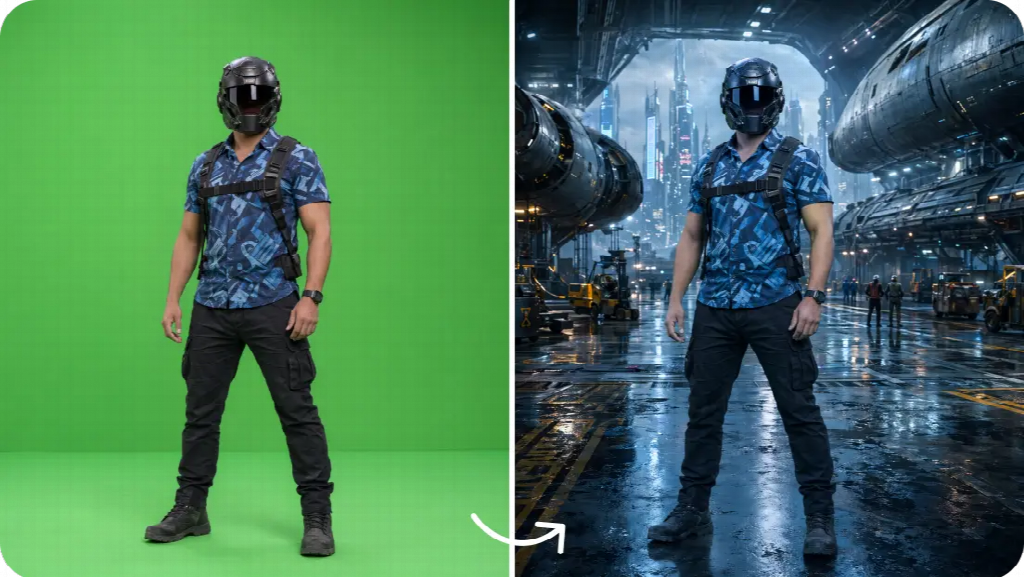
Body language is part of identity. A generic generated performance may not feel connected to the creator, even when the character looks correct.
Reference-to-video control in Seedance 2.5 creates an opportunity to guide performance with recorded movement.
A creator can provide simple model or green-screen footage that defines gestures, timing, and position, then use AI to develop a different visual treatment around it.
This approach keeps more human input inside the generated result. The technology changes the setting or presentation, while the performance reference contributes individual rhythm and expression.
Refining Instead of Constantly Regenerating
A recognizable brand depends on preserving successful choices.
If one object or visual region is incorrect, regenerating the entire scene may change the character, timing, or composition.
Local editing in Seedance 2.5 is designed to make more targeted adjustments possible. This can support a calmer revision process in which the creator fixes the problem rather than replacing everything.
That matters for independent creators because time and generation resources are limited. Precision is often more valuable than producing additional options.
Choosing What Deserves to Be Published
The ability to generate frequently should not determine the publishing schedule.
I use the additional speed to create a private selection process. Several drafts may be tested, but only the version that fits the message and visual identity is shared.
Before publishing, I review:
- Visual and character consistency
- Physical plausibility
- Audio quality and timing
- Caption readability
- Platform format
- Potential factual or visual misunderstandings
- Whether the video genuinely adds something useful
I also ask a simple final question: Would I still want to publish this if creating another version were difficult?
That helps separate content worth sharing from content that exists simply because it was easy to generate.
For creators looking for an integrated set of image and video tools, Dreamina can be one option within this system, while strategy, authorship, and final approval remain personal responsibilities.
A Brand Is Still a Relationship
AI can make sophisticated visual production more accessible to an individual. It can help test concepts, animate ideas, and develop a consistent creative world.
What it cannot automate is the relationship between a creator and an audience.
That relationship grows through relevance, honesty, and a recognizable perspective. A polished video may attract attention, but people return because the content means something to them.
The best use of AI video is therefore not to manufacture a personality. It is to give an existing point of view more ways to communicate.
When references, formats, and generation are guided by real creative choices, the technology can support a personal brand without replacing the person at its center.

