


Experiencing thinning hair can feel overwhelming, but modern trichology offers reliable pathways to restore your confidence. Choosing the right intervention depends on your specific type of hair shedding. For many, a daily hair loss medication serves as the foundation of their treatment plan, targeting genetic thinning at a systemic level. However, others require targeted, regenerative therapies to stimulate inactive follicles directly. Understanding how chemical treatments and cellular therapies differ helps you make an informed decision. This guide compares pharmaceutical options with advanced clinical procedures, helping you identify which approach aligns with your current stage of hair thinning and your long-term restoration goals.
Understanding the Root Causes of Hair Thinning
Understanding the root causes of hair thinning is essential, as hair shedding occurs for various reasons, making a one-size-fits-all remedy ineffective. The most common culprit is androgenetic alopecia, frequently called male or female pattern baldness. This genetic condition involves a sensitivity to dihydrotestosterone (DHT), a hormone that binds to receptors in the scalp. Over time, DHT shrinks hair follicles, shortening their growth phase and producing progressively thinner strands until the follicles stop producing hair altogether.
In contrast, temporary shedding, or telogen effluvium, stems from sudden lifestyle changes, nutritional deficiencies, or high stress levels. In these instances, follicles prematurely enter the resting phase but remain healthy. Addressing this type of hair loss requires identifying the underlying trigger rather than blocking hormones. For instance, genetic thinning requires continuous management, whereas temporary shedding often resolves once you correct the initial trigger.
Additionally, poor scalp health, reduced blood circulation, and ageing contribute to general thinning. While some individuals experience a slow, predictable receding hairline, others notice diffuse thinning across the entire crown. Recognising whether your condition is hormonal, temporary, or age-related is the first step in selecting an appropriate treatment. By identifying the root cause, you can target the specific biological mechanisms responsible for your hair thinning, saving time and avoiding ineffective remedies.
How Hair Loss Medication Works to Maintain and Protect
Once you understand these causes, managing genetic thinning often leads to pharmaceutical interventions. When addressing genetic thinning, a daily hair loss medication remains the gold standard for long-term maintenance. These pharmaceutical treatments work through two main pathways: hormone regulation and blood vessel dilation. Finasteride, a common oral prescription, actively inhibits the 5-alpha-reductase enzyme, which converts testosterone into DHT. By lowering DHT levels in the scalp, this treatment halts follicle miniaturisation, allowing weaker hairs to regain thickness and preventing further recession.
On the other hand, topical or oral Minoxidil acts as a vasodilator. It widens blood vessels around the follicles, increasing the delivery of oxygen and vital nutrients. This process extends the anagen, or growth, phase of the hair cycle, encouraging thicker and longer strands.
Consistency is vital when utilising a pharmaceutical approach. Because these treatments do not permanently alter your genetics, any progress relies on continuous usage. If you stop taking the treatment, the DHT-blocking effects subside, and hair loss resumes its natural course within a few months. Consequently, these options are ideal for individuals looking for a sustainable, daily routine to protect their existing hair and slow down the hereditary thinning process before follicles become completely inactive.
The Science Behind PRP Hair Treatment
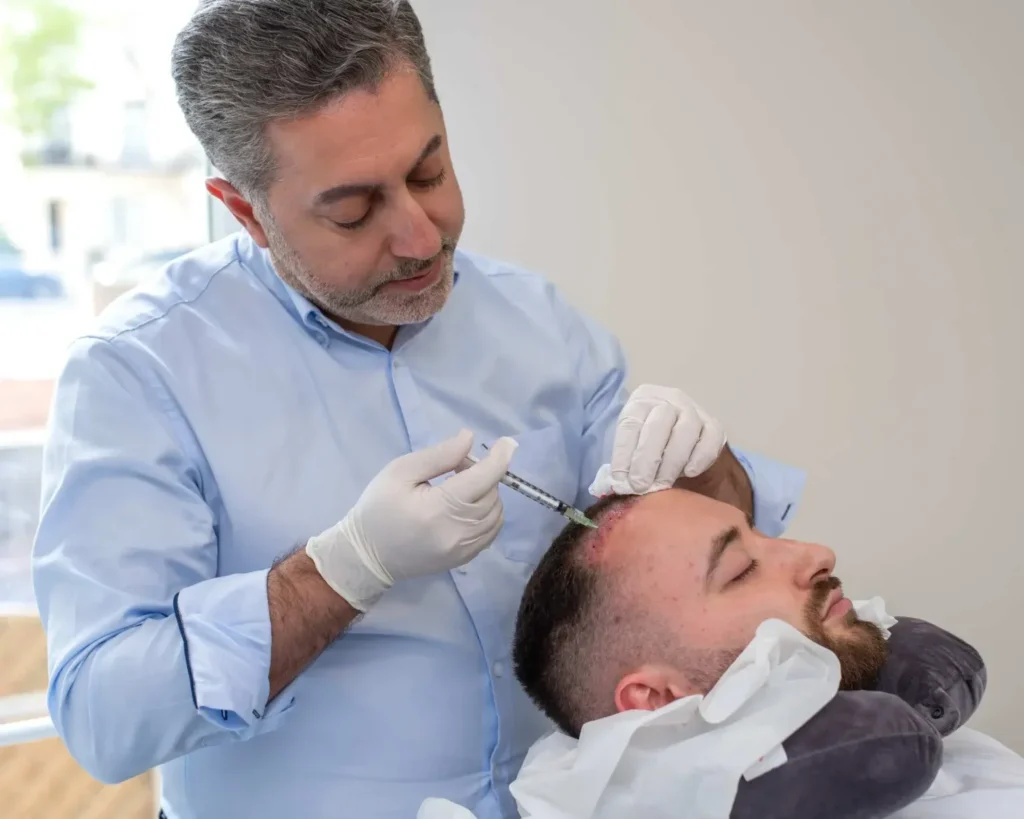
While pharmaceuticals offer a systemic defence, regenerative therapies provide a localised boost directly to the scalp. Platelet-Rich Plasma (PRP) therapy utilises the healing properties of your own blood to stimulate dormant follicles. The procedure begins with a standard blood draw, after which the sample is placed in a centrifuge. This machine spins the blood at high speeds to separate the red blood cells from the plasma, concentrating the platelets which are rich in growth factors.
Once prepared, the clinician injects this concentrated plasma into the areas of the scalp experiencing thinning. These growth factors promote angiogenesis, which is the formation of new blood vessels, and accelerate tissue repair. This localised micro-environment encourages inactive follicles to transition back into the active growth phase.
For individuals seeking this clinical procedure, booking a session for PRP hair treatment in London offers access to specialised clinics equipped with advanced separation technology. This therapy is highly appealing to those who prefer a natural, drug-free alternative or want to avoid potential systemic side effects associated with oral drugs. Because it uses your own biological material, the risk of allergic reaction is virtually non-existent, making it a highly tolerated clinical option.
Combining Therapies for Optimal Results
Rather than choosing between these two methodologies, many trichologists recommend a combined approach to achieve optimal hair density. Using a daily hair loss medication establishes a stable environment by controlling the hormonal factors that cause thinning. Meanwhile, introducing periodic clinical sessions, such as PRP hair treatment in London, provides the cellular stimulation needed to kickstart sluggish follicles.
This dual-action strategy targets hair loss from two distinct angles. The pharmaceutical component acts as a defensive shield, preventing further damage from DHT and maintaining the existing hair canopy. Simultaneously, the platelet-rich plasma acts as an offensive booster, delivering concentrated growth factors that encourage miniaturised follicles to produce thicker, healthier shafts.
Clinical observations suggest that patients combining these therapies often see faster and more robust improvements than those relying on a single method. For example, the increased blood flow stimulated by vasodilators can enhance the delivery of the injected growth factors throughout the scalp. This synergy is particularly beneficial for individuals experiencing advanced thinning who want to maximise their chances of recovery. Consulting a qualified specialist allows you to design a structured programme that safely integrates both clinical treatments and daily home care.
Choosing the Right Approach for Your Hair Goals
Deciding to implement one or both of these options involves looking at your personal circumstances. Choosing the right approach for your hair goals requires assessing your lifestyle, budget, and the current stage of your hair loss. If you are in the early stages of thinning and prefer an easy, daily habit, starting with a pharmaceutical routine is often the most cost-effective first step. It requires minimal clinical visits and focuses on preserving the hair you currently have.
However, if you have noticed patchy thinning, or if you prefer to avoid daily pills, clinical therapies present an excellent alternative. Investing in PRP hair treatment in London provides a structured, hands-on treatment plan managed by medical professionals. This option suits busy individuals who prefer scheduling monthly clinical appointments over remembering daily topical applications.
Additionally, your overall health and medical history play a significant role in this decision. Some individuals may have pre-existing conditions that make hormone-altering drugs unsuitable, making natural autologous therapies like PRP the safer choice. Conversely, those with active scalp infections or blood disorders might need to rely on topical pharmaceuticals instead. A thorough consultation with a trichologist will help evaluate these medical variables, ensuring you select a treatment path that is both safe and highly effective for your unique physiology.
Final Thoughts

Addressing hair loss is a highly personal journey that requires a tailored strategy. While daily pharmaceuticals offer an excellent systemic defence against genetic thinning, regenerative therapies like PRP provide targeted cellular stimulation to revive dormant follicles. Combining these two methods often yields the most impressive results, addressing both the hormonal causes and the physical growth cycle of your hair. Before starting any treatment plan, seek professional advice to accurately diagnose the cause of your thinning. With the right combination of daily care and clinical expertise, you can halt hair loss and enjoy a thicker, healthier head of hair for years to come.

