


Healthcare organizations generate and manage an enormous volume of documents every day. From patient records and laboratory reports to insurance forms, consent documents, vaccination cards, prescriptions, and hospital identification materials, every piece of documentation plays a critical role in delivering quality patient care. These records are not only essential for clinical decision-making but also serve as legal, administrative, and historical references. Protecting them from physical damage, moisture, contamination, and frequent handling has become a priority for hospitals, clinics, laboratories, and healthcare institutions worldwide.
One of the most practical and cost-effective solutions is Bopp Thermal Lamination Film. Known for its excellent clarity, durability, and protective qualities, this material has become an indispensable component in healthcare records management. By providing a protective barrier against environmental and physical damage, BOPP thermal lamination film helps preserve essential medical documents while extending their usable lifespan.
The Importance of Medical Document Preservation
Medical documents are among the most sensitive records managed by any organization. Even minor damage to patient information can create complications in diagnosis, treatment, insurance claims, and legal compliance. Healthcare professionals depend on accurate documentation to ensure continuity of care and maintain patient safety.
Paper documents naturally deteriorate over time. Exposure to humidity, dust, fingerprints, sunlight, spills, and repeated handling can cause fading, tearing, wrinkling, or staining. In busy hospitals where medical staff frequently access patient information, these risks increase significantly.
Proper preservation methods ensure that documents remain legible, secure, and professional for years. Whether it is a vaccination certificate stored by a patient or an emergency medical protocol displayed in a treatment room, document durability contributes to operational efficiency and reliable healthcare delivery.
Understanding BOPP Thermal Lamination Film
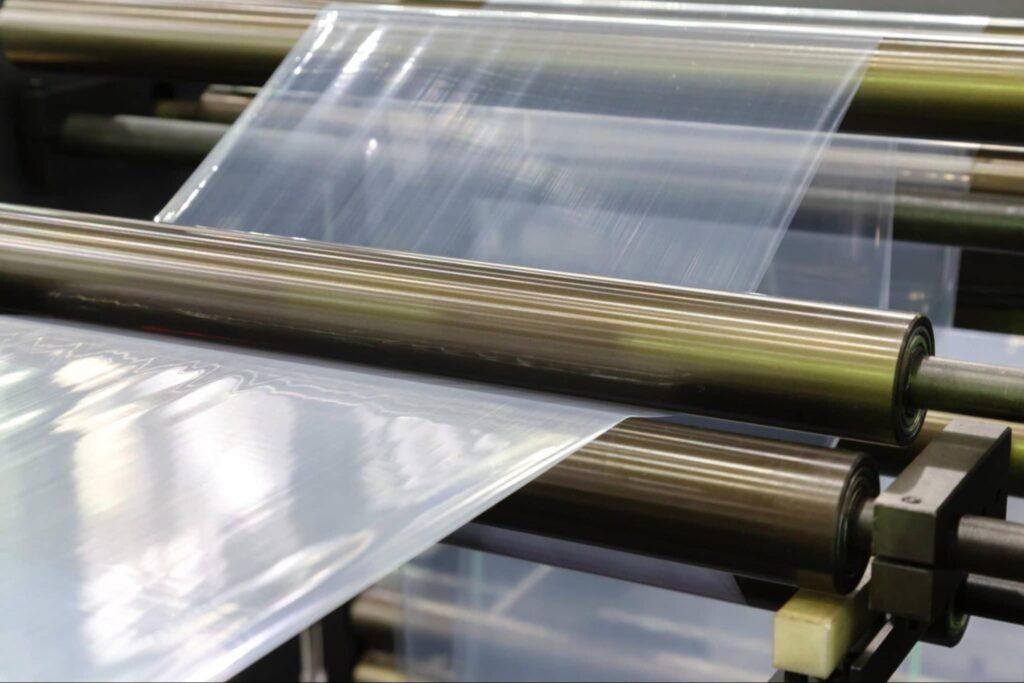
BOPP, or Biaxially Oriented Polypropylene, is a high-performance plastic film manufactured through a stretching process that improves its strength, transparency, and dimensional stability. When combined with thermal adhesive coating, BOPP thermal lamination film becomes an effective protective layer that bonds securely to printed paper using heat and pressure.
Unlike traditional cold lamination methods that require separate adhesives, thermal lamination offers a cleaner, faster, and more consistent finish. The resulting laminated surface enhances the appearance of documents while protecting them against moisture, dust, scratches, fingerprints, and everyday wear.
Healthcare institutions value BOPP thermal lamination because it delivers reliable performance without significantly increasing document thickness or weight. The film is available in various finishes, including glossy and matte, allowing organizations to choose the most suitable option for different applications.
Protecting Patient Records from Daily Wear
Patient records are handled by doctors, nurses, pharmacists, administrative staff, insurance personnel, and patients themselves. Frequent use inevitably leads to physical deterioration if documents remain unprotected.
Laminating important medical documents with BOPP thermal lamination film creates a durable outer layer that resists tears, folds, stains, and abrasion. This protective coating ensures that printed text, barcodes, and graphics remain clear even after repeated handling.
Healthcare facilities often laminate patient identification cards, emergency contact information, allergy alerts, and treatment instructions to improve durability. The film also minimizes the effects of accidental spills and moisture exposure, which are common in clinical environments.
By reducing document damage, healthcare organizations minimize the need for frequent reprinting and replacement, ultimately saving both time and operational costs.
Supporting Infection Control in Healthcare Settings
Maintaining hygiene is a fundamental responsibility in healthcare environments. Medical documents frequently move between departments, increasing their exposure to bacteria, viruses, and contaminants.
Laminated surfaces are significantly easier to clean than uncoated paper. While organizations must always follow manufacturer recommendations and healthcare cleaning protocols, laminated materials generally tolerate gentle surface cleaning more effectively than untreated paper.
This characteristic makes BOPP thermal lamination film especially valuable for documents that require frequent handling, including patient instruction cards, emergency response charts, medication administration guides, and laboratory reference materials.
The ability to maintain cleaner document surfaces supports better infection control practices while preserving the appearance and readability of important information.
Enhancing the Durability of Medical Identification Materials
Healthcare facilities rely heavily on identification materials to manage staff, patients, and visitors efficiently. Employee identification cards, visitor passes, medical alert cards, vaccination records, and outpatient identification documents require protection against continuous use.
BOPP thermal lamination film strengthens these materials without compromising readability or barcode scanning performance. The laminated surface protects photographs, printed names, identification numbers, and security features from fading or physical damage.
Durable identification materials improve workflow efficiency while reducing replacement frequency. This is particularly beneficial in large hospitals where thousands of identification cards are issued and used regularly.
Preserving Legal and Compliance Documents
Medical records often serve as legal evidence and must remain complete, accurate, and legible throughout their required retention periods. Government regulations and healthcare accreditation standards frequently require organizations to maintain specific documents for several years.
Damage caused by humidity, aging, insects, or accidental spills can compromise document integrity and create compliance challenges. Laminating frequently referenced legal documents provides an additional layer of protection that helps maintain their physical condition.
Consent forms, emergency protocols, policy manuals, inspection certificates, safety guidelines, and accreditation displays benefit from lamination because they remain readable even after years of continuous use.
By protecting essential paperwork, healthcare providers strengthen their record management systems and reduce the risk of document deterioration that could affect regulatory compliance.
Improving the Presentation of Healthcare Information
Professional presentation is important in every healthcare environment. Patients develop confidence in organizations that maintain clean, organized, and well-preserved informational materials.
BOPP thermal lamination film enhances the visual appearance of printed documents by producing smooth surfaces with improved color vibrancy and sharpness. Gloss finishes create bright, attractive displays, while matte finishes reduce glare and improve readability under strong lighting conditions.
Healthcare institutions frequently laminate educational posters, patient information sheets, directional signage, appointment instructions, and health awareness materials. These documents remain attractive for extended periods despite constant public exposure.
High-quality presentation reflects positively on healthcare organizations while ensuring that critical information remains accessible and easy to understand.
Supporting Long-Term Archival Storage
Although many healthcare providers have embraced digital transformation, physical records remain an essential part of many archival systems. Historical patient files, legal documentation, research records, and institutional archives often require long-term preservation.
Environmental conditions such as humidity fluctuations, dust accumulation, and handling during storage can gradually degrade paper documents. Laminated records receive additional protection that slows physical deterioration and preserves readability over time.
Healthcare organizations using hybrid record management systems benefit from preserving selected high-value documents with lamination while continuing to digitize broader record collections.
Properly protected archives reduce restoration costs and help ensure that important historical records remain available when needed.
Cost-Effective Document Protection
Healthcare institutions continuously seek solutions that improve operational efficiency without increasing expenses. Replacing damaged documents consumes administrative resources, printing supplies, and staff time.
BOPP thermal lamination film offers a practical return on investment by extending document lifespan and reducing replacement frequency. Its durability helps organizations protect valuable printed materials while lowering recurring printing costs.
Because thermal lamination is compatible with high-speed finishing equipment, healthcare facilities and commercial printing providers can process large document volumes efficiently. This makes the solution suitable for hospitals, diagnostic laboratories, pharmacies, insurance companies, and government healthcare agencies alike.
The combination of affordability, durability, and consistent quality makes BOPP thermal lamination film an economical option for preserving healthcare documents.
Sustainability Considerations in Healthcare Printing
Environmental responsibility has become increasingly important across the healthcare industry. Hospitals and healthcare organizations are implementing sustainable practices that reduce waste while maintaining operational effectiveness.
Using durable lamination materials contributes indirectly to sustainability by extending document lifespan and decreasing the frequency of reprinting. Fewer replacements mean reduced paper consumption, lower ink usage, and decreased overall resource demand.
Modern manufacturers continue to improve production efficiency while developing film solutions that align with evolving environmental standards. Healthcare organizations selecting high-quality lamination materials can balance document protection with broader sustainability initiatives.
Although digital records help reduce paper usage, many printed documents remain necessary for regulatory, operational, and patient communication purposes. Protecting these essential materials supports responsible resource management.
Choosing the Right BOPP Thermal Lamination Film
Selecting the appropriate lamination film depends on the intended application. Documents that require maximum visual appeal often benefit from glossy finishes, while instructional materials displayed under bright lighting may perform better with matte surfaces that minimize glare.
Film thickness should also match the intended level of durability. Frequently handled documents generally require stronger protection than materials intended primarily for archival storage.
Healthcare organizations should work with experienced suppliers capable of delivering consistent film quality, reliable adhesive performance, and compatibility with commercial lamination equipment. High-quality film ensures smooth lamination, excellent transparency, and long-lasting protection without bubbles, wrinkles, or delamination.
Careful material selection enables healthcare facilities to maximize document preservation while maintaining professional presentation standards.

Future Trends in Healthcare Document Protection
The future of healthcare records management will likely involve a combination of digital innovation and durable physical documentation. While electronic records continue to expand, printed materials will remain necessary for legal documentation, emergency preparedness, patient education, identification systems, and compliance requirements.
Advancements in lamination technology are expected to deliver improved optical clarity, stronger durability, enhanced environmental performance, and greater compatibility with modern printing systems. Manufacturers continue to invest in innovations that meet the evolving needs of healthcare providers while supporting efficient document management practices.
As hospitals modernize their operations, demand for reliable document protection solutions will remain strong. BOPP thermal lamination film and Heat Sealable Bopp Film are well positioned to support this ongoing transformation by preserving the quality, readability, and integrity of essential healthcare documents.
Conclusion
Effective healthcare depends on accurate, accessible, and well-preserved documentation. Even as digital technologies reshape medical record management, physical documents continue to play a vital role in patient care, legal compliance, administration, and institutional operations. Protecting these records against damage, contamination, and everyday wear is essential for maintaining reliable healthcare services.
BOPP thermal lamination film provides a practical, durable, and cost-effective solution for preserving medical documents across a wide range of healthcare applications. Its ability to enhance durability, improve presentation, support infection control efforts, and extend document lifespan makes it an invaluable resource for hospitals, clinics, laboratories, pharmacies, and healthcare administrators.
As the healthcare industry continues to prioritize efficiency, compliance, and patient safety, investing in dependable document protection technologies such as BOPP thermal lamination film will remain an important strategy for ensuring that critical medical information stays secure, legible, and professionally maintained for years to come.

